
I see this color combo come back again and again in my chair. Blue and purple look bold, but they don’t scream for attention like hot pink or full rainbow hair does. People ask for it after a breakup. After a new job. After a long, boring winter. It’s the kind of change that still feels like them.
Here’s where this trend is going. Right now, in 2026, two looks are popular. Bright, shiny color for younger clients. And soft, smoky blue-purple mixes for people who want the look without weekly touch-ups. By 2027, I think the soft look wins. Salons now know how to make low-maintenance blue and purple color. And honestly, people are tired of running back to the salon every three weeks.
Pro-Tip: Before you pick a color from Pinterest, ask your colorist one simple question. “What will this look like in six weeks?” Anyone can make hair look great on day one. A good colorist plans for week six too.
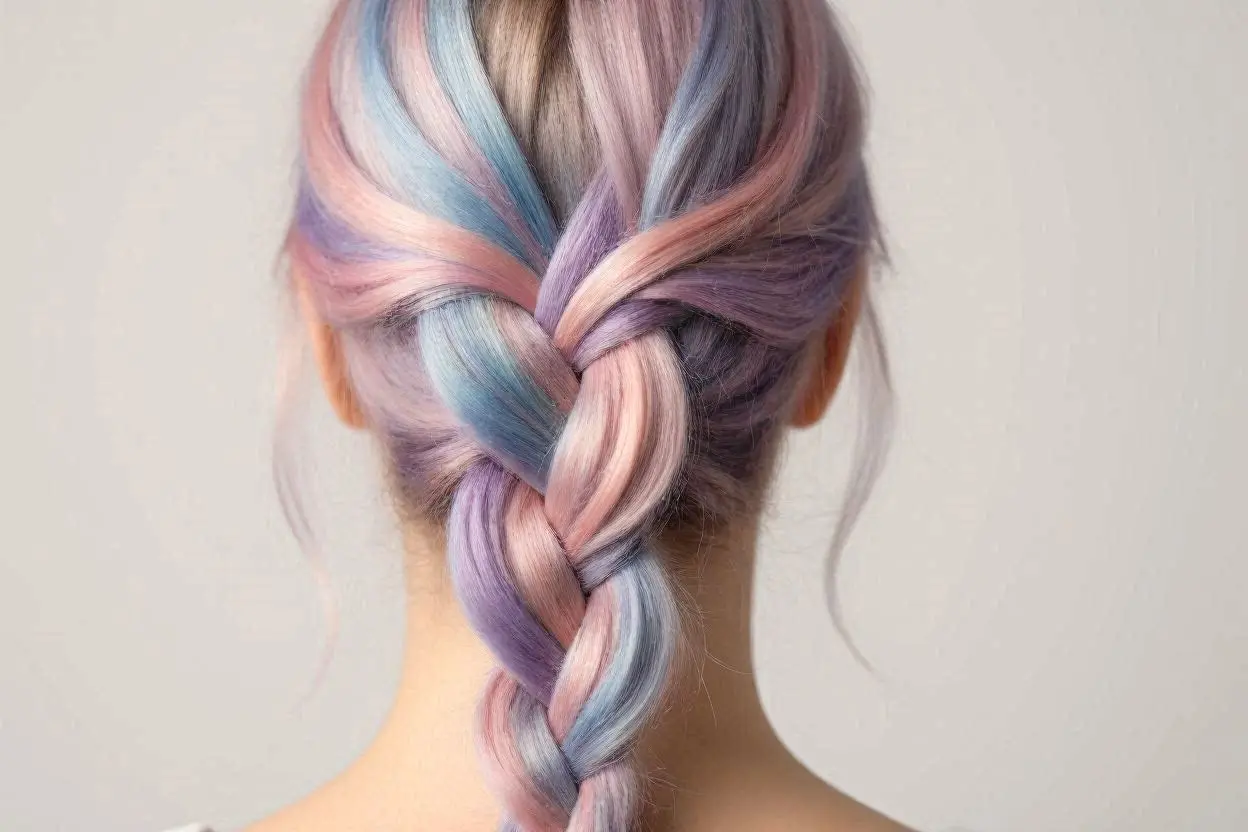
1. Opal Braid
This style works best if your hair is already light. Soft blue, soft purple, and a touch of pink get woven into a loose three-strand braid. The colors shift and shine like a real opal stone.
Here’s a common mistake. People put the color on in big, solid chunks. That makes stripes, not a soft glow.
Pro-Tip: Put the pastel color on in a slanted direction, not straight across. This copies how light naturally falls on hair. It stops the colors from looking like flat blocks.
2. Mermaid Mane
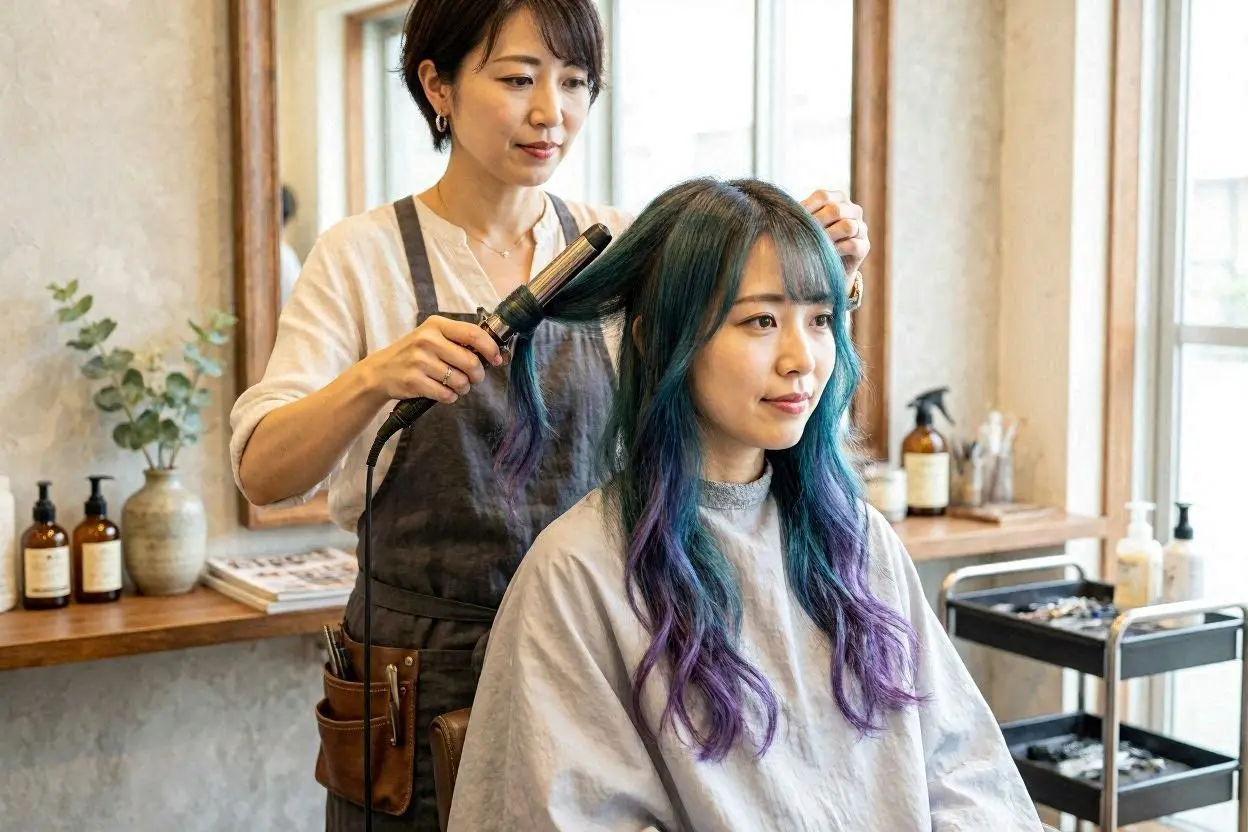
Long, loose waves colored in teal, sapphire blue, and purple. The color is added using balayage, so it moves with the hair instead of sitting flat on top.
This style needs texture to work. Flat, straight hair makes the color look painted on. Loose waves let each color show on its own.
Pro-Tip: Use a curling wand, not a flat iron. Curl small sections away from the face, switching directions as you go. This breaks the color into real, soft waves instead of one flat block of color.
3. Geomertric Undercut
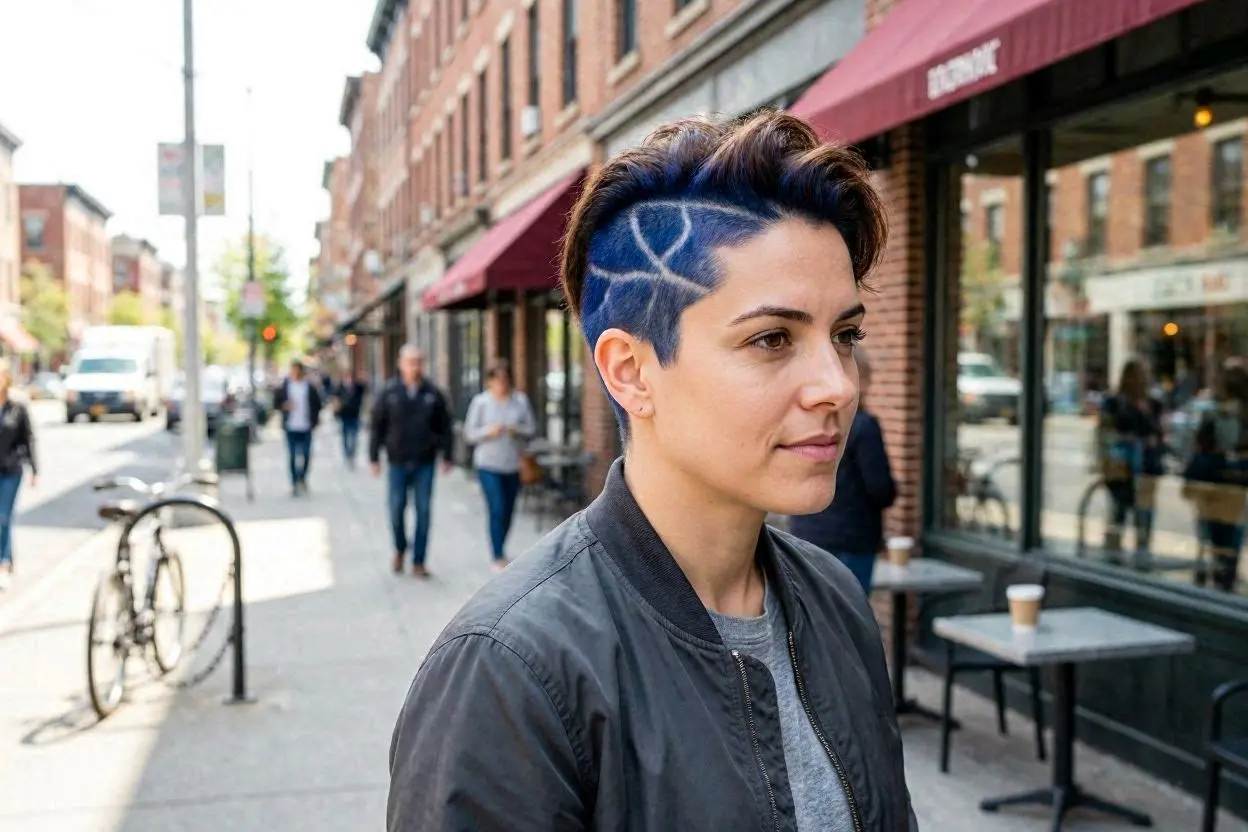
One side is shaved into a sharp pattern. The longer hair on top is dyed deep blue or purple. This is the easiest color on this whole list to look after, because most of the “wow” comes from the cut, not the dye.
Pro-Tip: Ask for the sharp lines to be cut with clippers and a razor, not scissors. Scissors lose their sharp edge in two weeks. A razor line stays sharp much longer.
Read: 20 Flat Top Haircuts Styles You Can Actually Try
4. Dizzying Double Braid
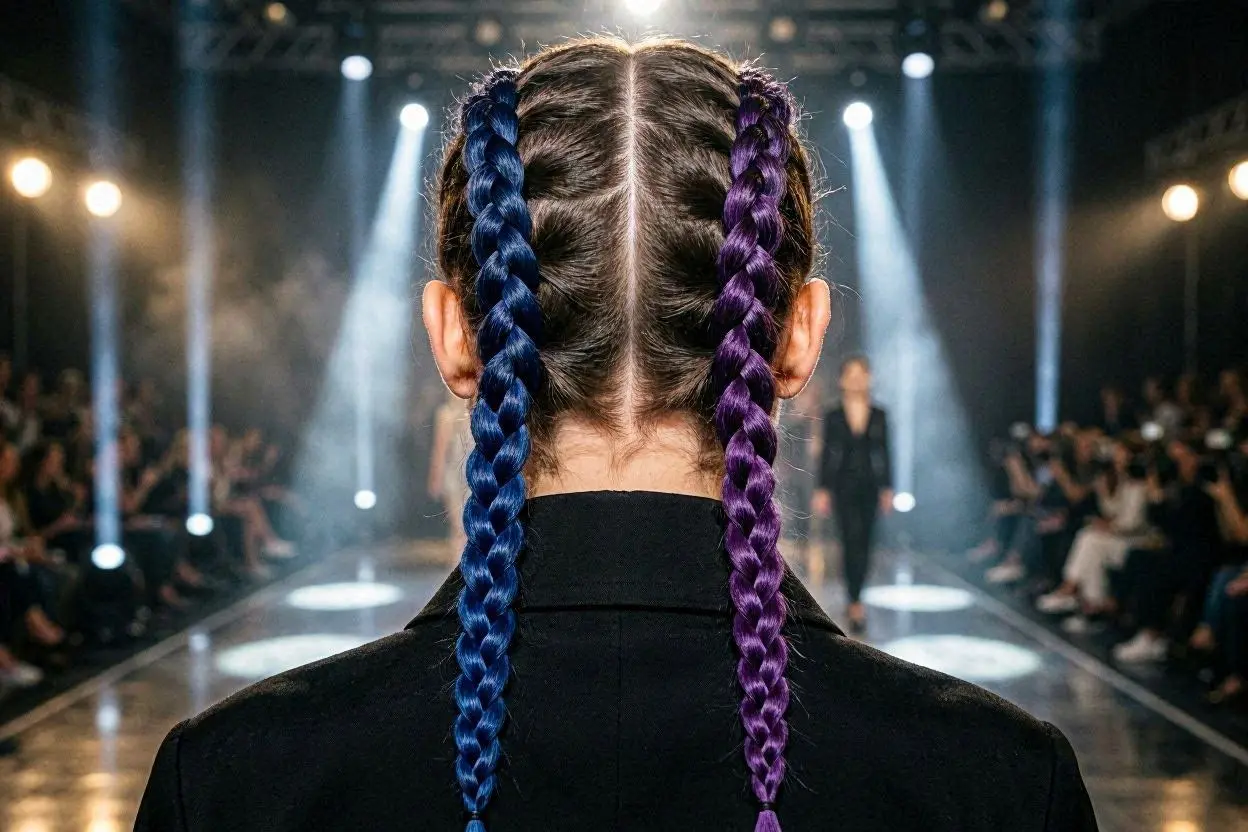
Two tight braids run side by side down the head. One is blue. One is purple. The part line itself becomes part of the design.
Pro-Tip: Color each section before you braid it, not after. If you braid first and dye later, the colors bleed into each other and lose their crisp edge.
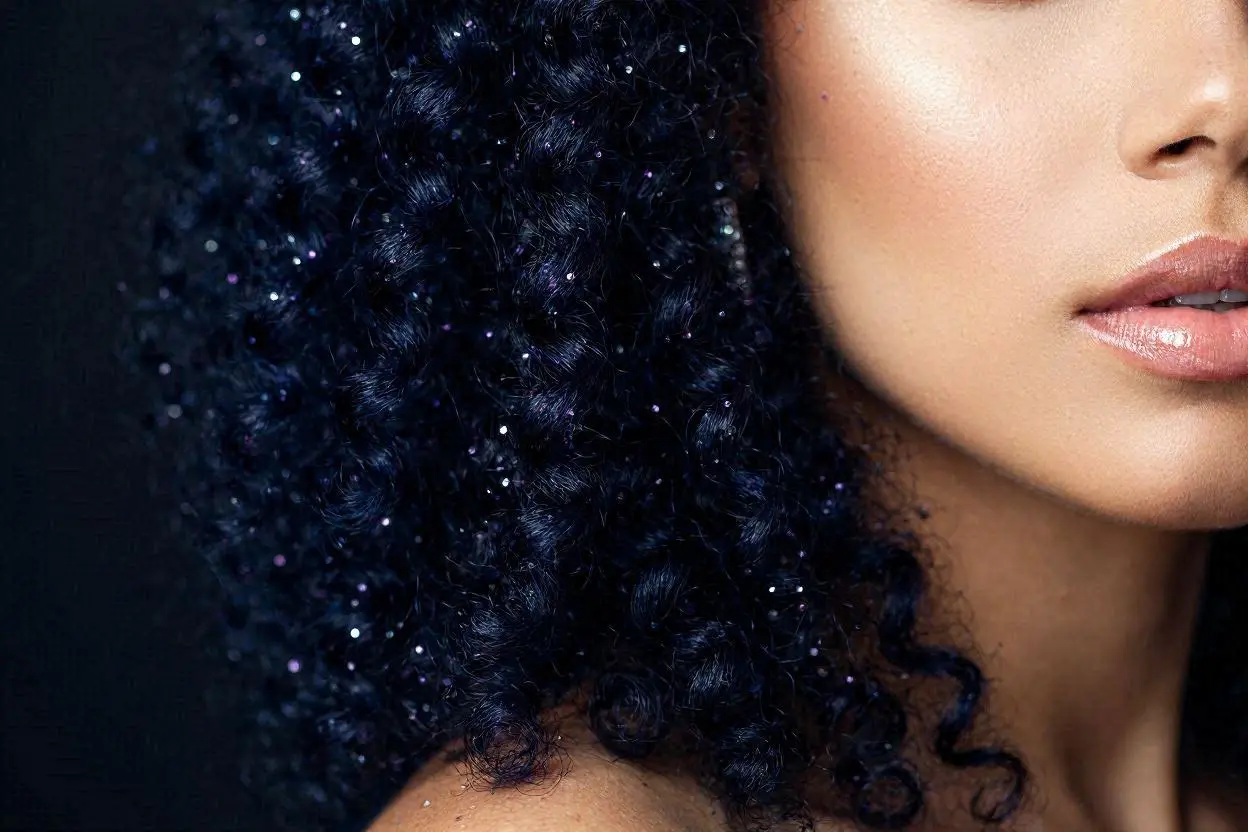
5. Starry Spirals
Tight, bouncy curls dyed in deep midnight blue, with small flecks of silver or light purple mixed in. It’s meant to look like a night sky.
Pro-Tip: Use a flat iron with a curling barrel attachment for this look, not a chemical perm. Perming hair that’s already been color-treated is risky. It can cause real breakage. I never do both at the same appointment.
6. Stained Glass Sides
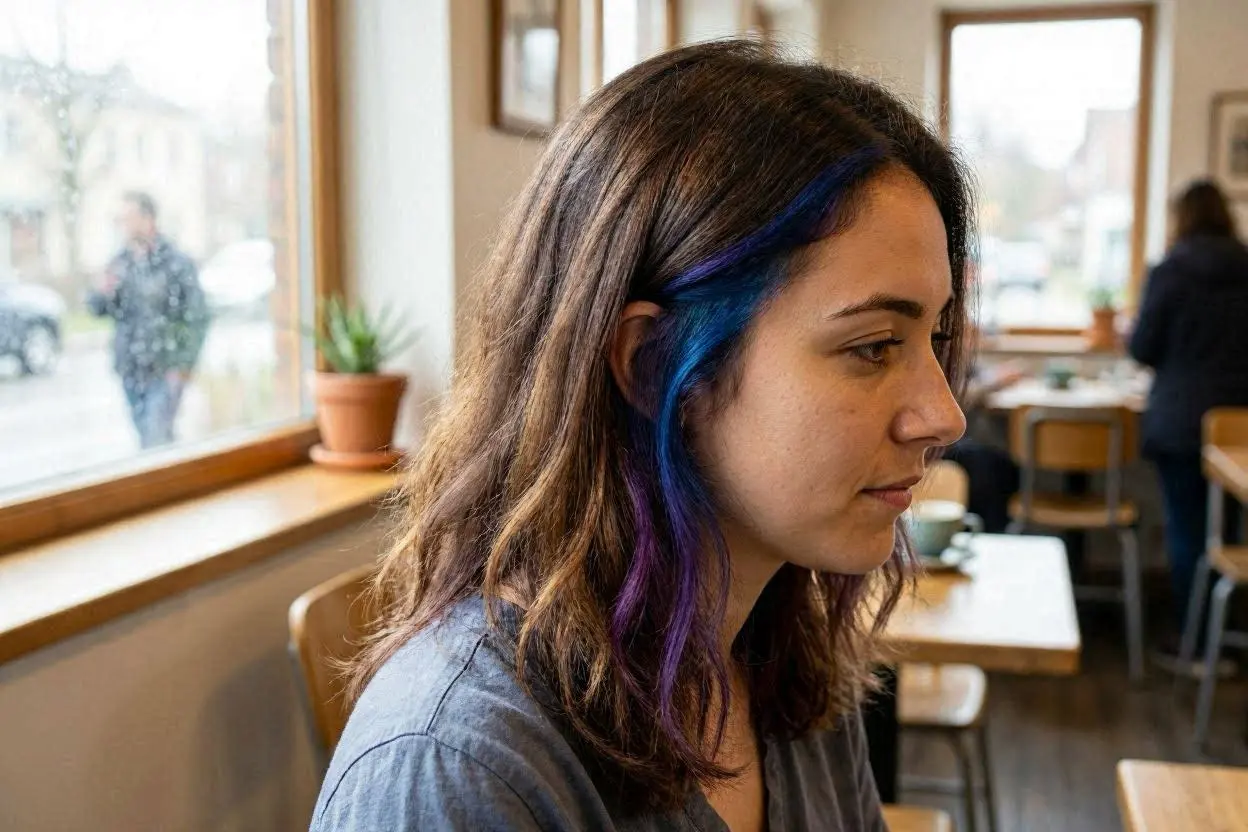
Blocks of color on the sides and temples — blue, purple, and a thin line of black, like the lead lines in a stained glass window. The top of the head stays close to natural.
Pro-Tip: Keep about 60% of your hair in its natural color. This look feels artistic when there’s a clear difference between colored and natural hair. If the whole head is colored, it just looks messy.
7. Dark Unicorn Waves
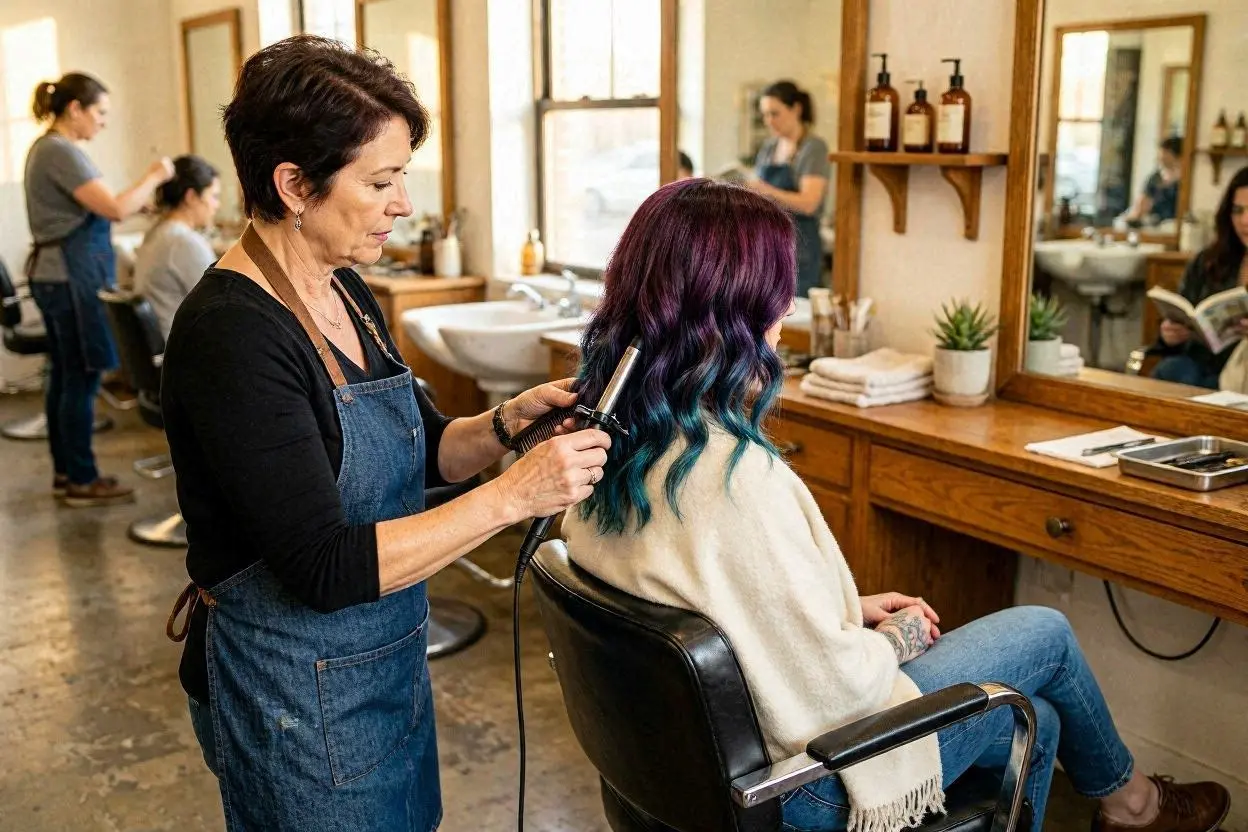
A calmer take on rainbow hair. Deep plum, navy blue, and dark teal blended into loose waves. Bold enough to enjoy, but calm enough for the office on Monday.
Pro-Tip: Use a glossing toner on top of the final color, not just a regular gloss. The toner cuts down the brightness without losing the depth of color. That’s what makes this look work-appropriate instead of costume-like.
8. Lisa Frank Rainbow Hair
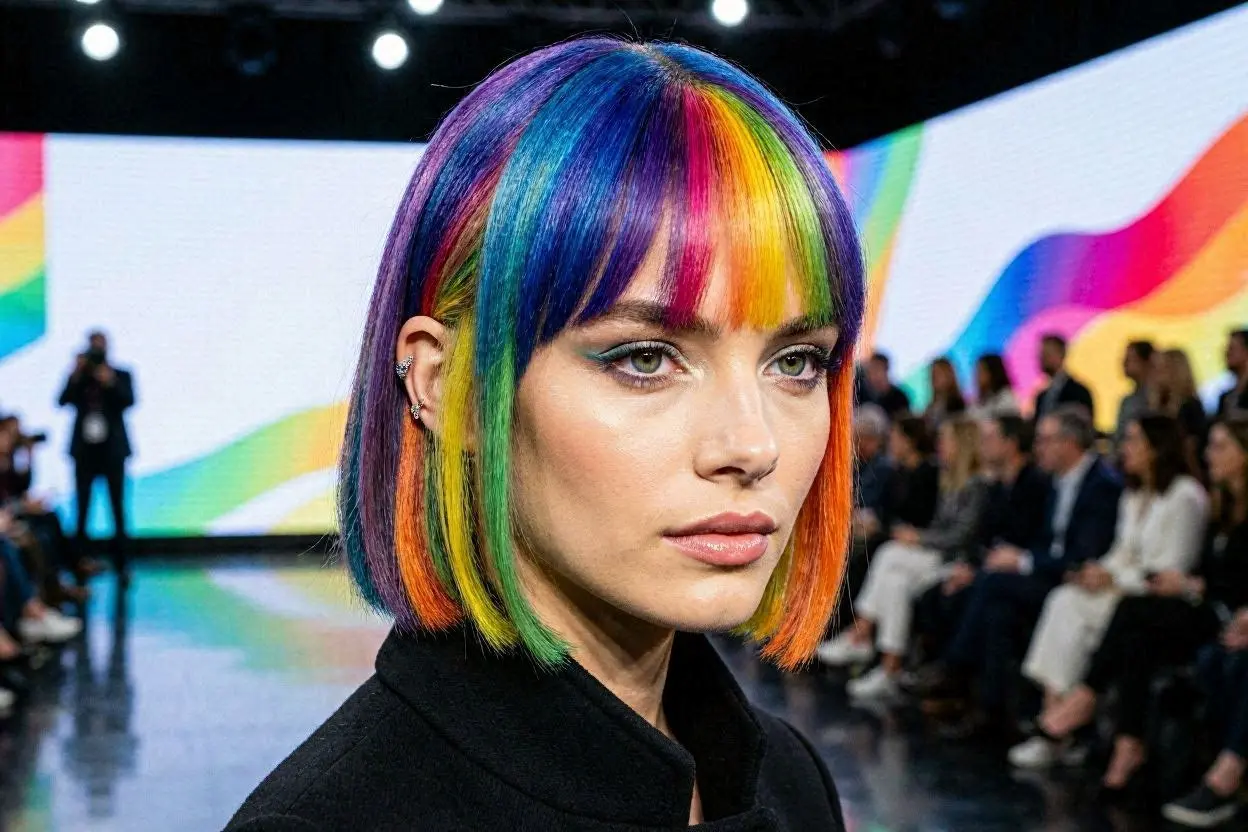
Full rainbow color, with blue and purple as the main colors. Applied in clean, solid blocks instead of blended together, for that bold ’90s-cartoon look.
Pro-Tip: Lighten the hair to pale yellow first, not white-blonde. Pure white-blonde grabs the color too fast, and the colors bleed into each other within a week. Pale yellow holds each color block clean for longer.
9. Twilight Layers
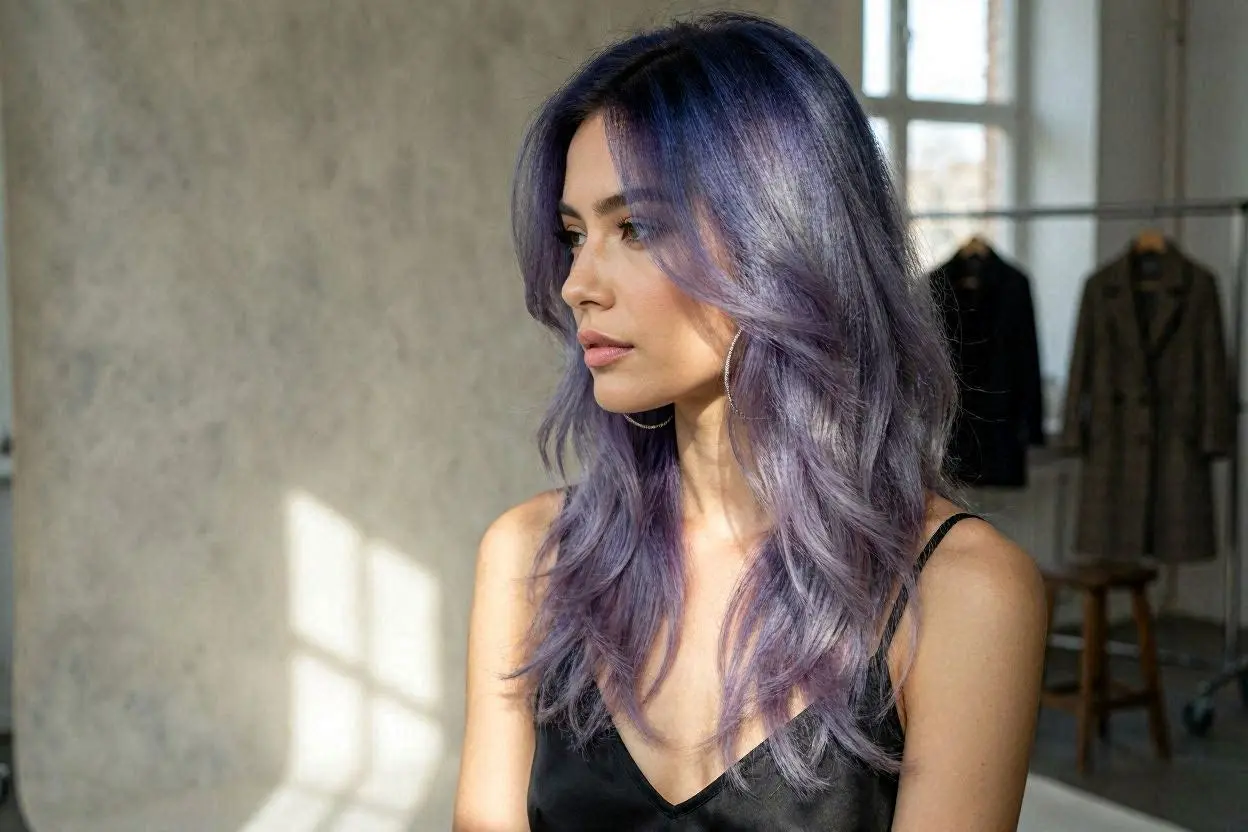
A long layered cut that fades from deep indigo at the roots to soft lavender at the tips. Each layer of hair catches a slightly different shade as it moves.
Pro-Tip: Cut the layers before coloring, not after. If you color the gradient first and cut layers in afterward, the smooth fade gets chopped up and looks uneven.
10. Chunky Galaxy Highlights
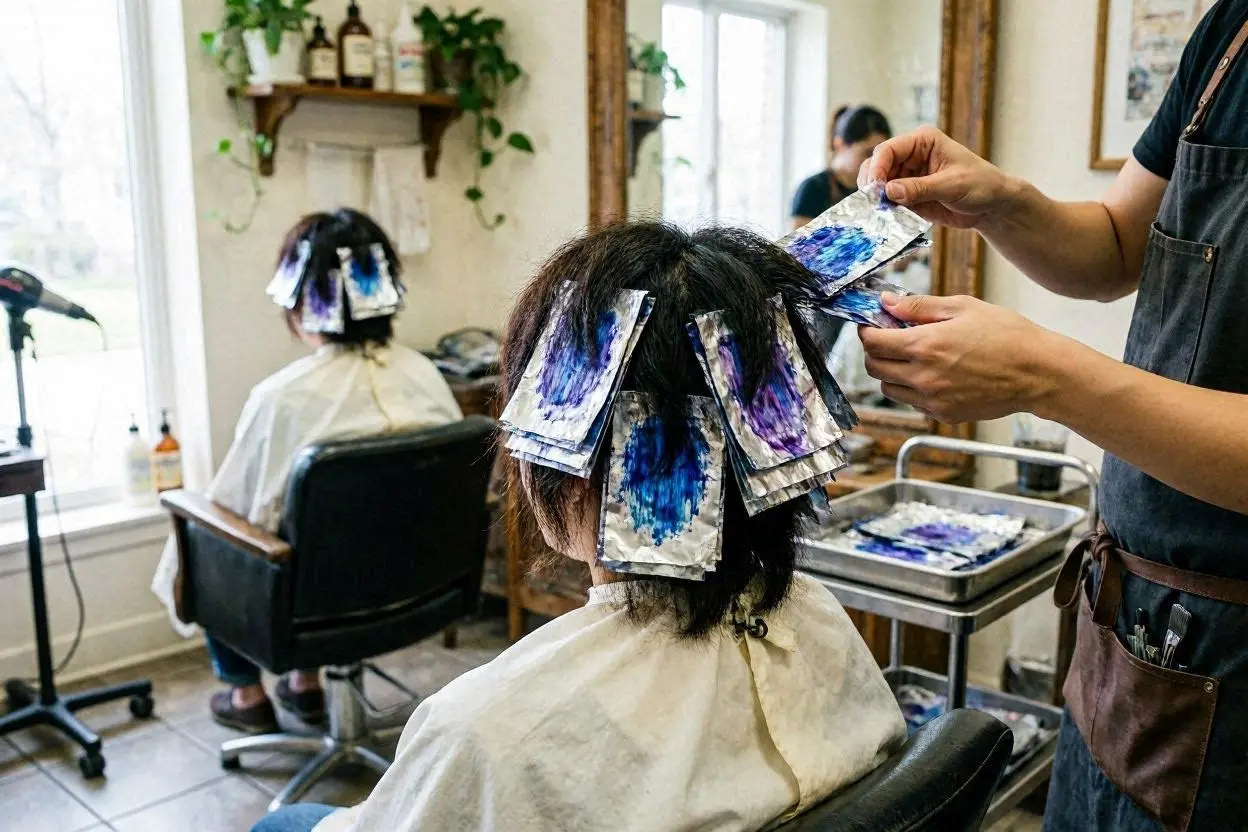
Thick, uneven highlights in blue, purple, and a touch of silver, placed in dark hair to look like stars in a night sky, not neat, even foils.
Pro-Tip: Place the foils randomly, not in a neat pattern. I tell my team to place them almost without looking. Neat, even highlights end up looking like stripes, not stars.
11. Tri-color Fishtail
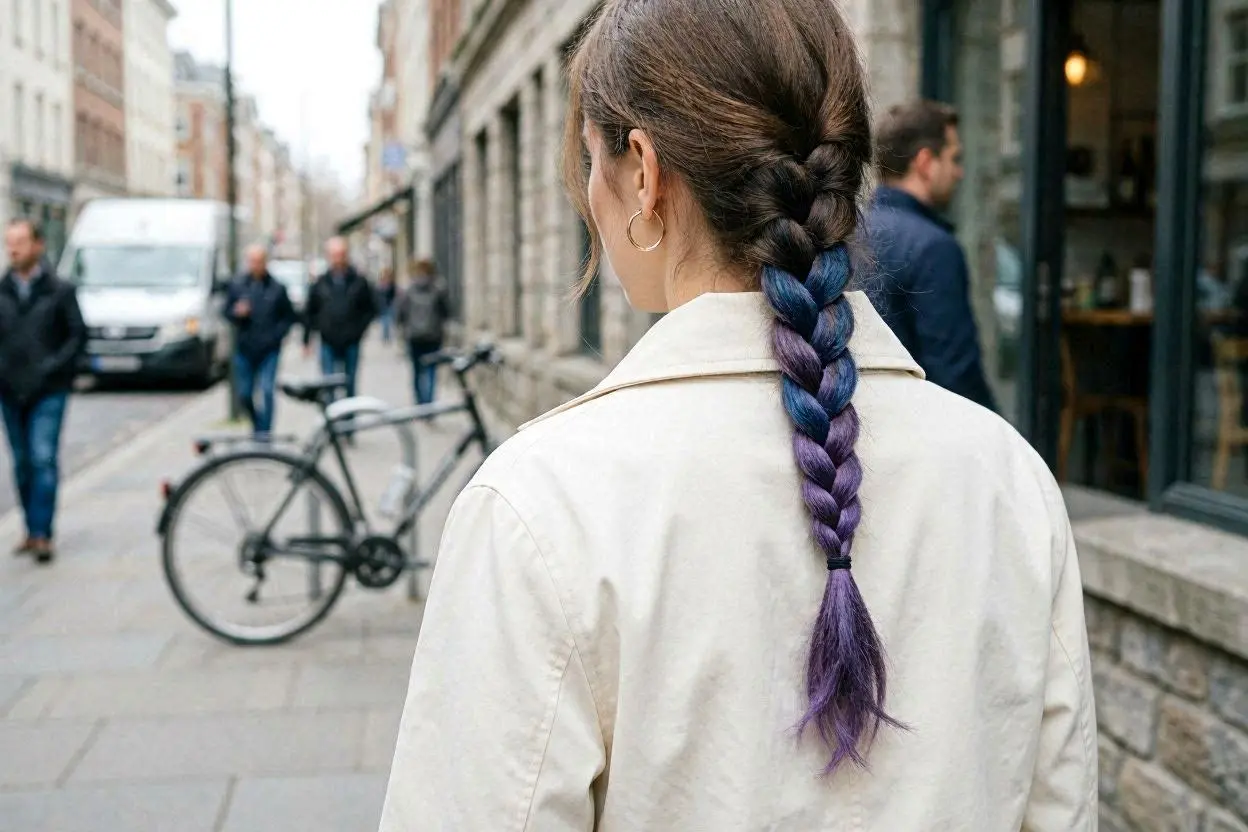
A fishtail braid made with three colored sections: blue, purple, and one natural strand. The natural strand sits between the two bold colors, like a break.
Pro-Tip: Loosen the finished braid with your fingers, not a brush. Brushing it out flattens the weave and mixes the three colors together, ruining the clean separation.
Read: Modern Short Hairstyles for Women: 47 Fresh Haircuts That Actually Feel Wearable
12. Punchy Layers
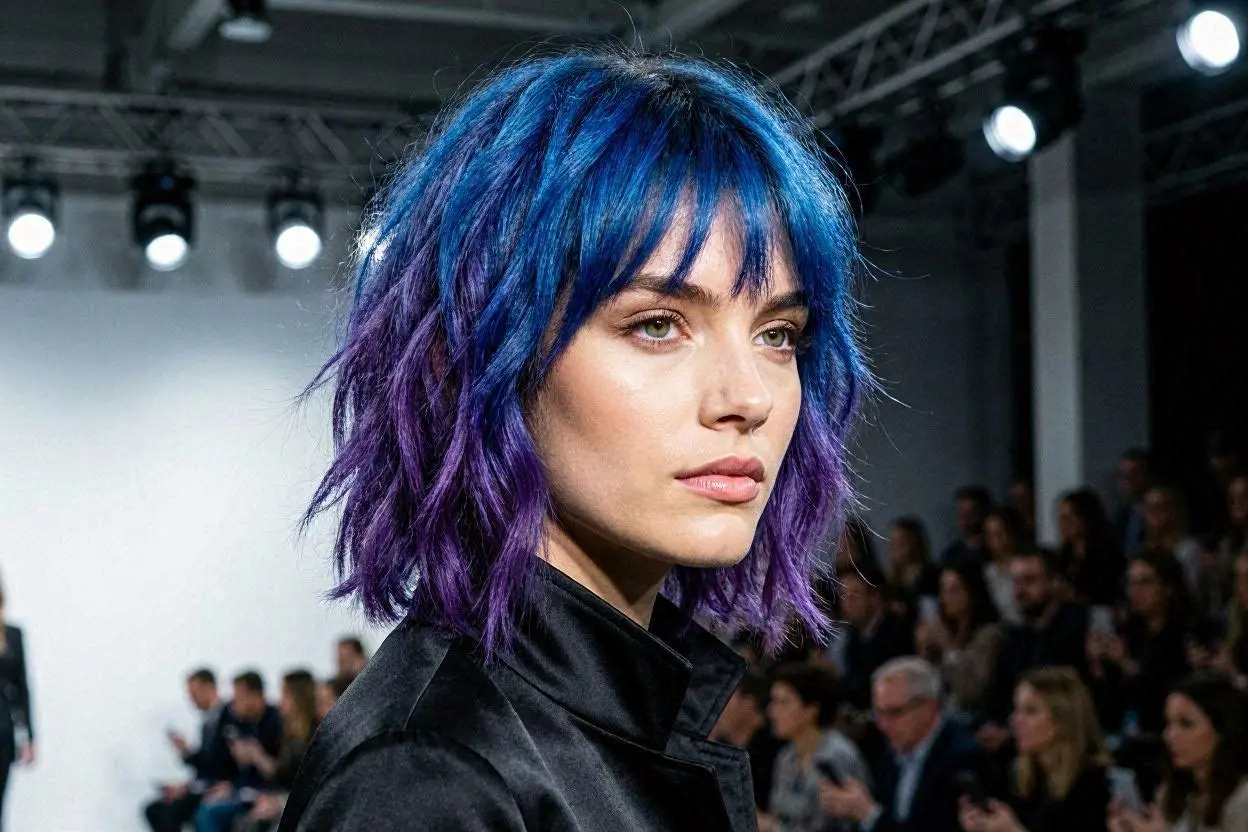
A short to medium layered cut. Bright blue on top, deep purple underneath. When the head moves, you see flashes of the hidden color.
Pro-Tip: Dry this cut with a diffuser, not a flat brush. A flat brush smooths the layers flat and hides the color underneath that you paid for.
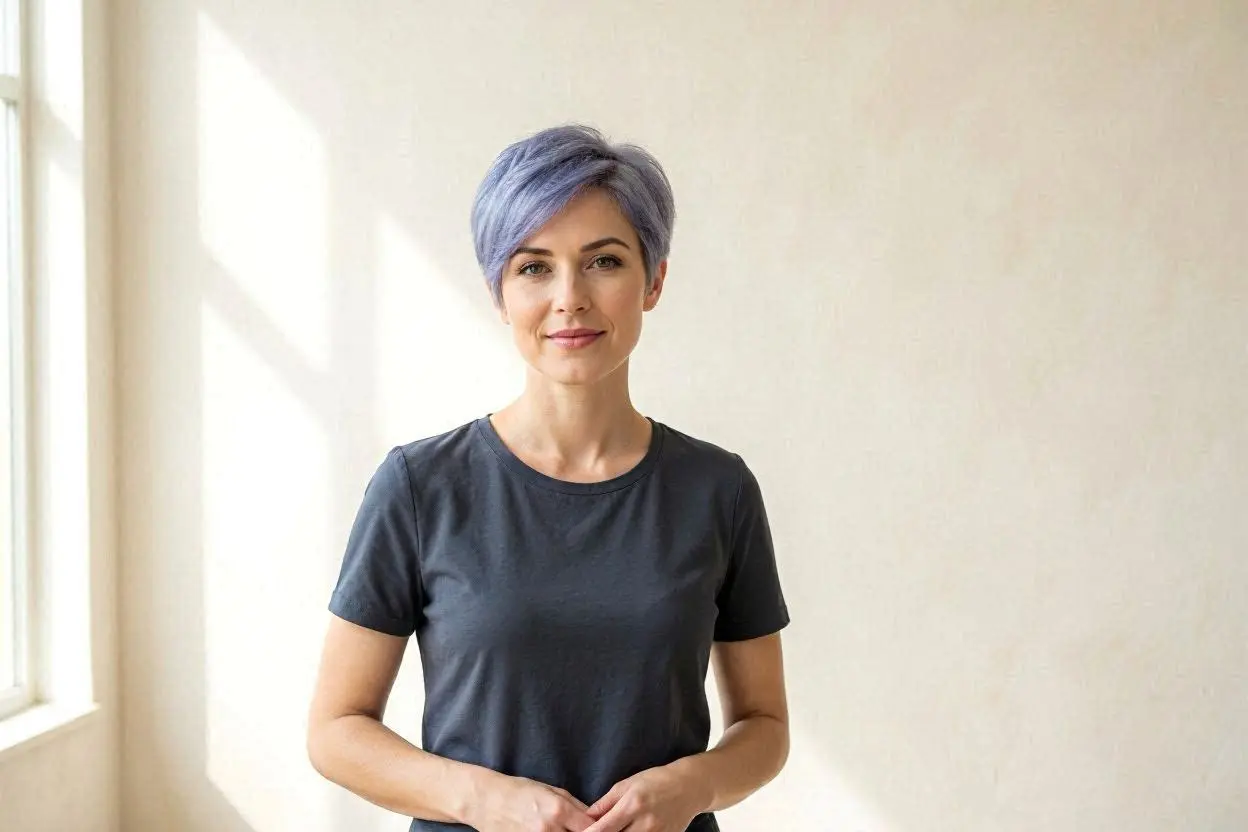
13. Periwinkle Pixie
A short pixie cut in one soft shade — periwinkle blue. This proves the color works on short hair without needing many tones.
Pro-Tip: Short hair with a single bold color shows root regrowth fast, sometimes in just two weeks. If you go for a pixie cut, plan for monthly touch-ups, not the usual six to eight weeks.
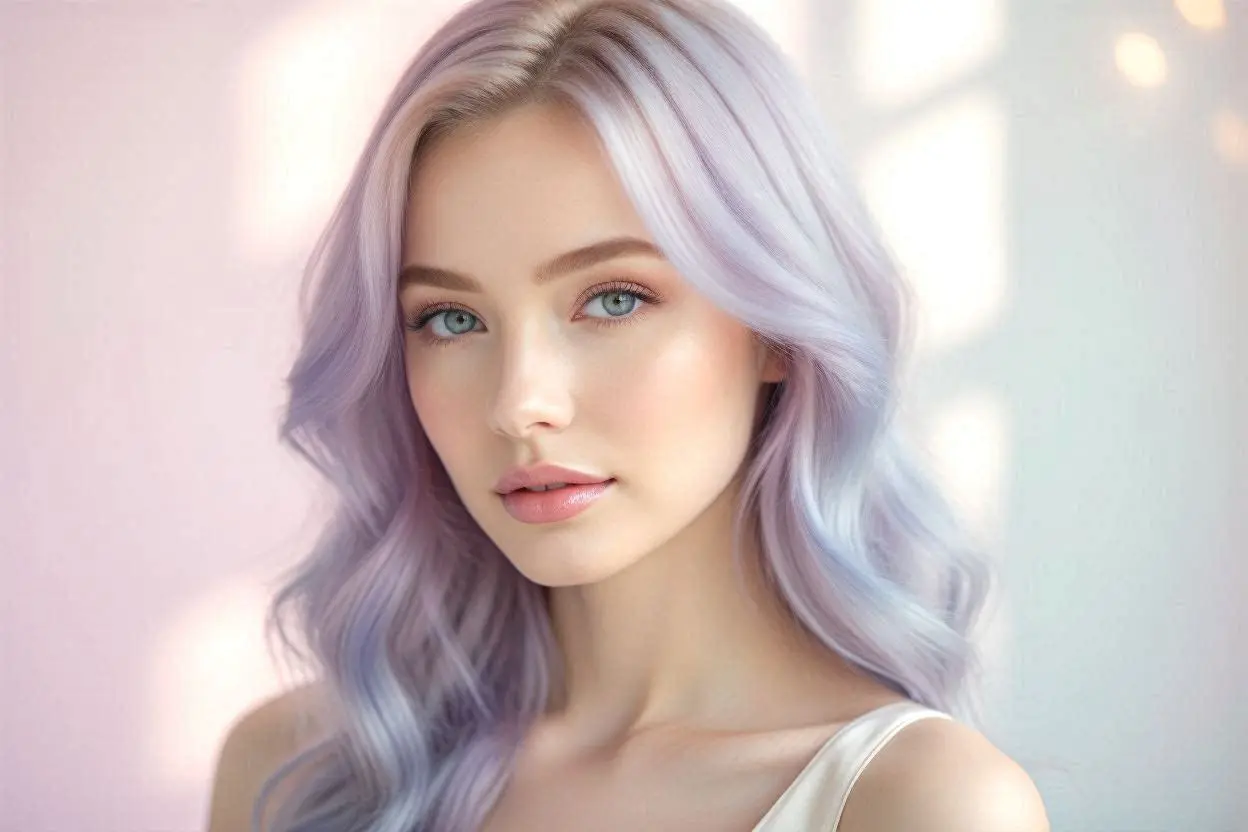
14. Pretty Pearl
A soft, milky mix of lavender and blue with a shiny finish. It looks more like a pearl than a fantasy color. The most “everyday wearable” look on this list.
Pro-Tip: Finish with a clear glaze that has shimmer in it. Skip this step, and the color looks flat and a bit gray instead of glowing.
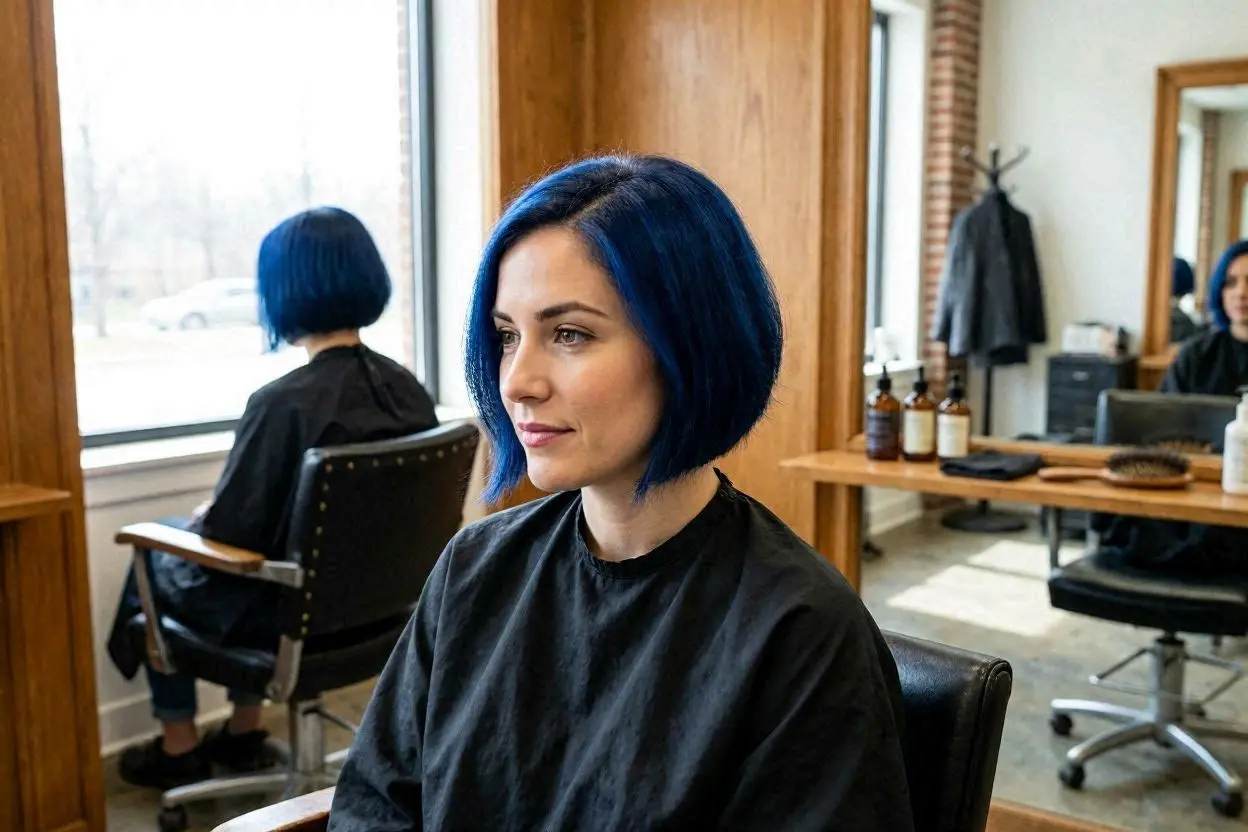
15. Bright Bob
A blunt, chin-length bob in bold royal blue or purple. The straight, sharp cut keeps the color looking clean and graphic.
Pro-Tip: A blunt cut holds bold color longer than a layered one. There’s less surface area exposed to washing and rubbing. If a client wants the color to last, I always suggest a blunt line.
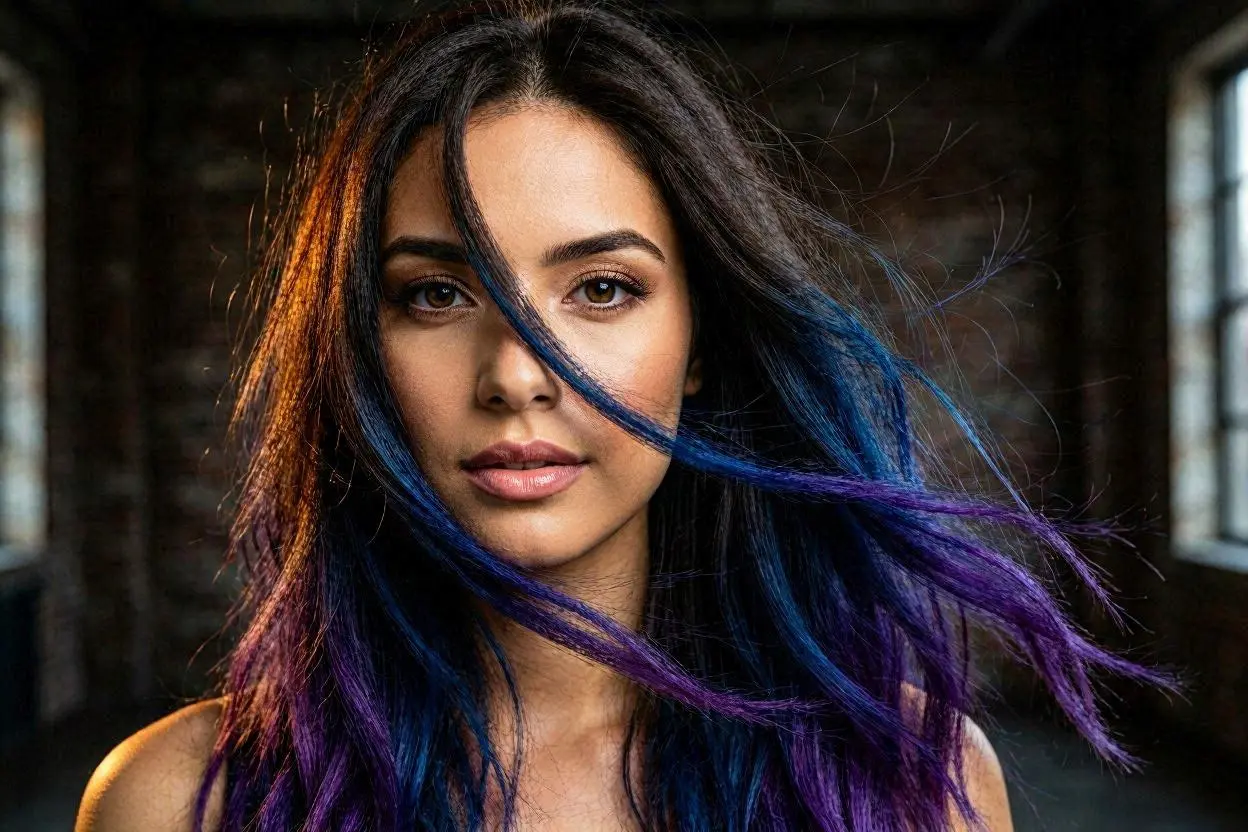
16. Technicolor Ombre
A bold ombre that goes from dark or natural roots to bright blue and purple ends. No soft blending — just a sharp, clear line between the two.
Pro-Tip: Use a toner to make a hard line between the natural root and the colored part before adding the bright dye. Skip this, and the bright color creeps up into the roots after a few washes, ruining your sharp line.
17. Rocking Rainbow
A full rainbow look where blue and purple cover most of the head, with thin streaks of pink or green added as small accents, not equal colors.
Pro-Tip: Don’t do this in one sitting. Six or more colors in one appointment can really stress the hair. I usually split it into two sessions, two weeks apart, especially if the hair has been colored before.
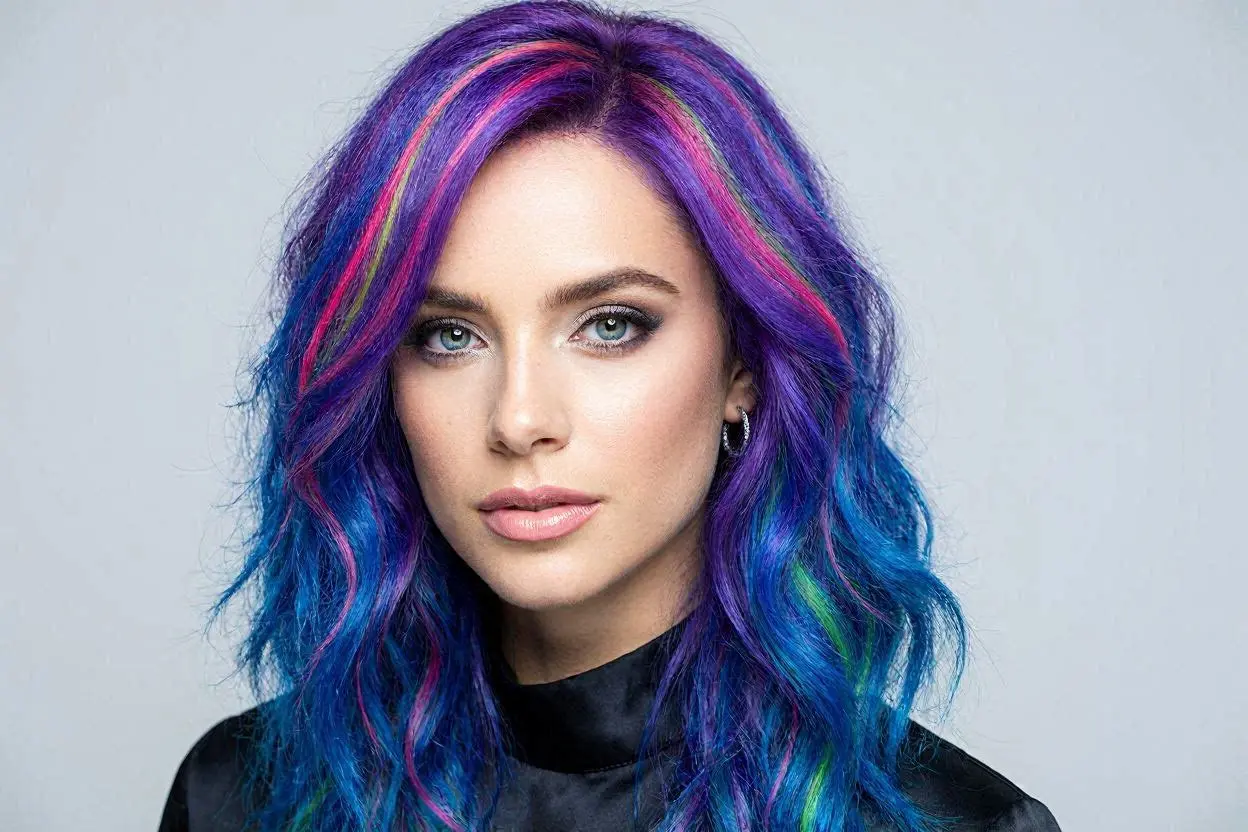
18. Purple Haze
A smoky, slightly gray shade of purple all over, with a soft, low shine. It looks calm and intentional, not bright. The closest thing to a “neutral” on this whole list.
Pro-Tip: Mix a small amount of ash or smoke toner into the purple dye. Pure purple fades to pink within weeks. The ash toner slows that down and keeps the gray-purple tone longer.
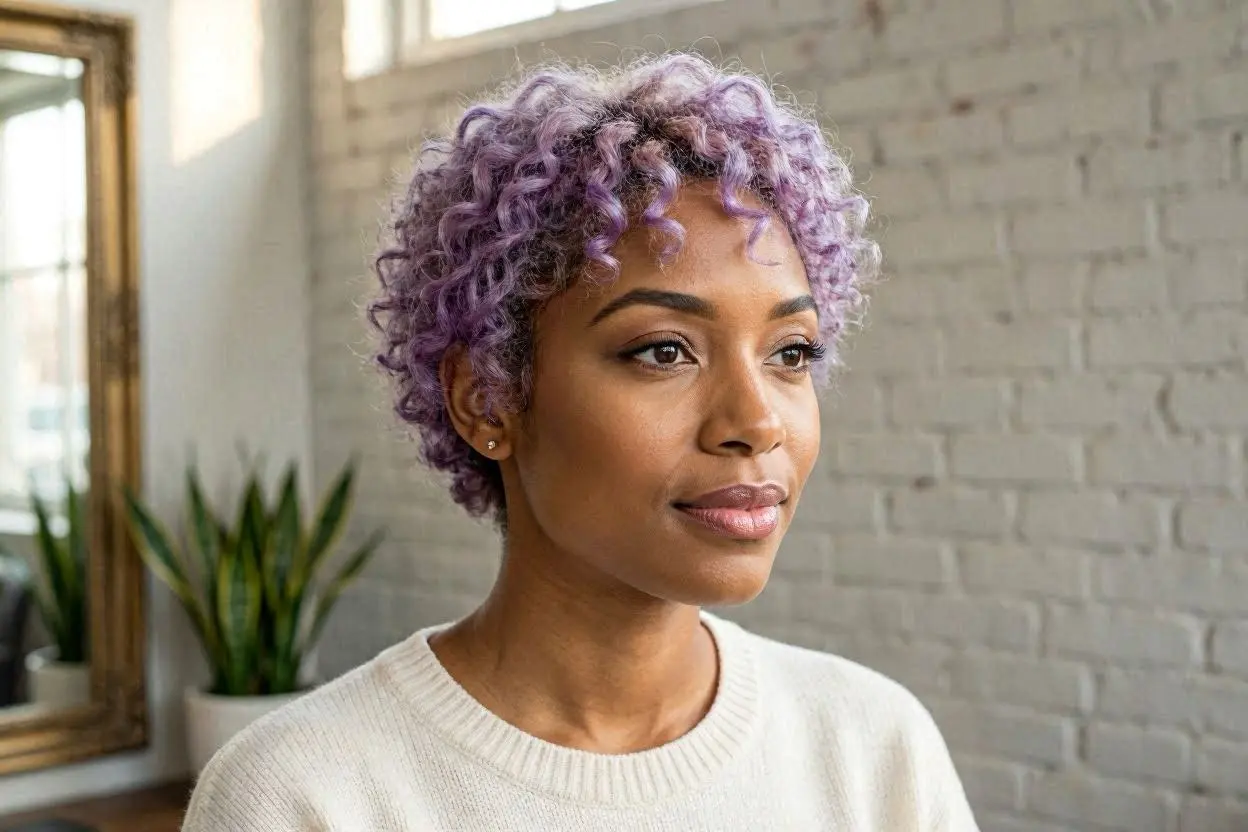
19. Braided Half-Updo
The top section of hair is gathered and braided, showing off blue and purple in a bold way. The loose bottom half shows the same colors, but softer and more blended.
Pro-Tip: Make the top section more saturated on purpose. A tight braid presses the color down and makes it look darker. So a color that seems “too bright” before braiding usually looks just right once it’s braided in.
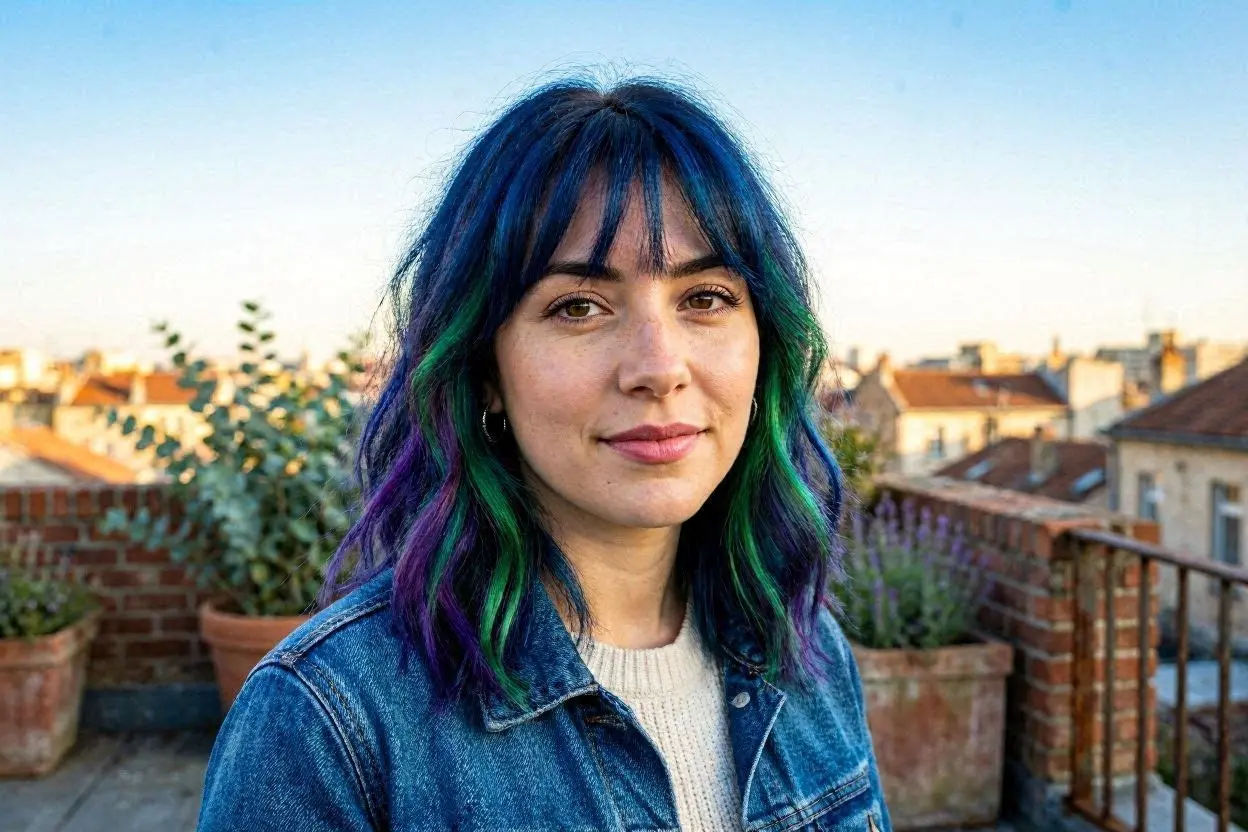
20. Easy and Ecclectic
A simple, low-effort option. A few face-framing strands colored blue or purple, using clip-ins or semi-permanent dye. The rest of the hair stays untouched.
Pro-Tip: Use semi-permanent dye only on a few “money piece” strands near the face. It fades out in four to six weeks with no visible regrowth line, because the roots were never touched. This is the look I suggest to anyone who wants to try this trend before fully committing.
Read: Top 20 Shades of the Gray Hair Trend in 2026
Final Thoughts
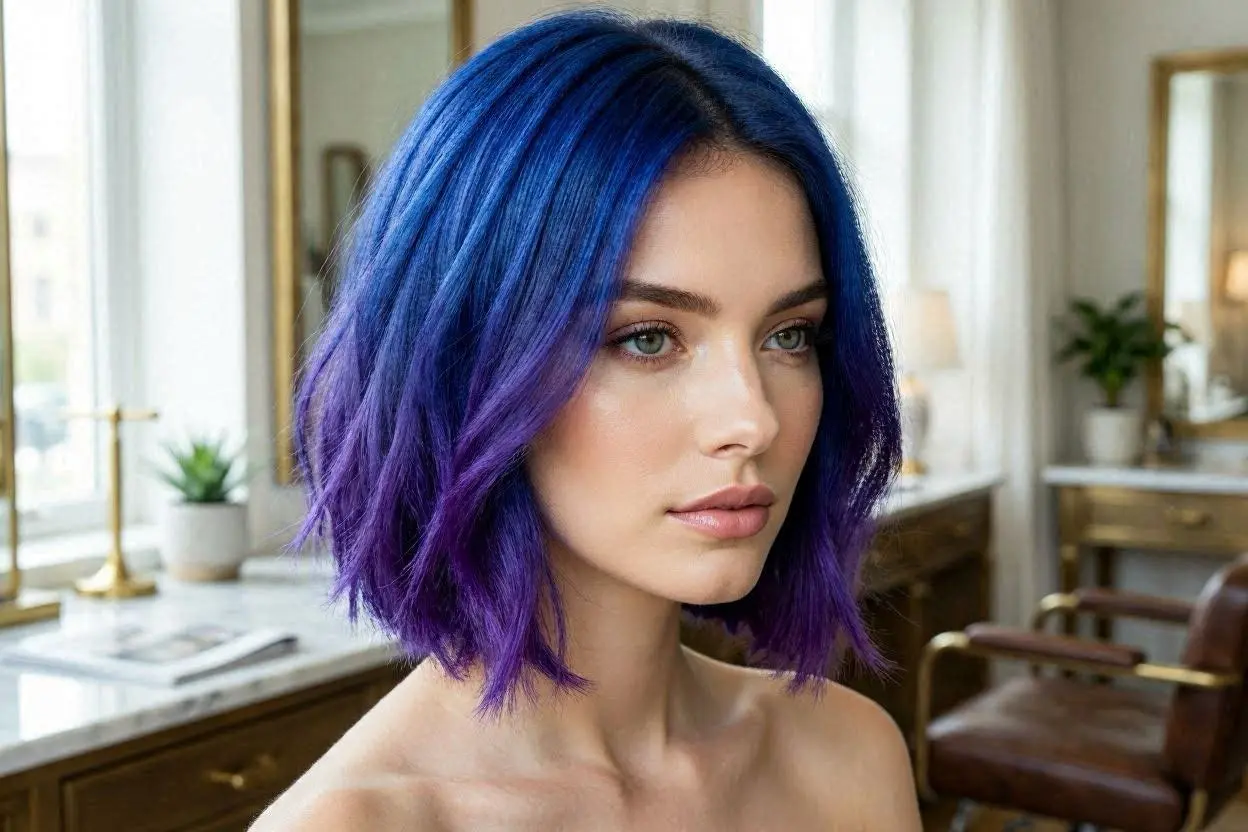
Blue and purple hair isn’t going away in 2027. It’s just getting smarter. The biggest change I see is people moving away from “more color is better.” Now, people want color placed with care — a few strands, one braid, a soft fade between layers.
Clients ask fewer questions about which celebrity wore a look. They ask more about what it’ll look like four weeks from now. That’s a better question to ask. Talk to your stylist about it before you book your next appointment.
Pick the version of this trend that fits your real hair, your real schedule, and your real life. Not the version that looked best in someone else’s photo.
FAQs
How long does blue or purple hair color last?
Bright blue and purple usually last two to six weeks before they start to fade. It depends on how often you wash your hair, how hot your water is, and whether you use a color-safe shampoo. Purple fades the fastest of all bright colors, since its color particles are smaller and wash out quicker.
Will blue or purple dye damage my hair?
The dye itself is usually not the problem. The bleach needed to lighten your hair enough for the color to show up is what causes damage. The safest way to do this is in stages, over a few salon visits, not all at once — especially if your hair is naturally dark or already colored.
Can I get blue or purple hair without bleaching first?
Yes, but you’ll get a deeper, softer color, not a bright one. Semi-permanent dye can add a soft blue or purple tint to dark hair with no bleach needed. It will look more like a gentle tint than a bold, bright color.
Which style needs the least upkeep?
“Easy and Eclectic” (a few colored strands near the face) and the “Geometric Undercut” need the least care. Neither one uses full-head color, so there’s no obvious line where the regrowth starts.
How do I stop blue or purple hair from fading fast?
Wash with cool or lukewarm water. Use a sulfate-free shampoo made for blue or purple hair in between salon visits. Always use heat protectant before styling with hot tools. Chlorine and hot showers are the two fastest ways to fade bright hair color.
